Hybrid Gym Franchise Model Explained

A hybrid gyms franchise combines the convenience of a 24/7 gym with the support, structure and community of coached training. Members can train independently when it suits them and take part in functional group sessions when they want guidance, accountability or connection.
For an owner, the model is designed around recurring memberships, controlled access, efficient staffing and repeatable operating systems. Those systems can make remote or semi-absentee management possible in the right circumstances, but they do not make the business passive. The owner remains accountable for people, performance, standards and local growth.
This guide brings together the practical questions people ask about hybrid gyms, 24/7 access, remote management, the path to break-even and semi-absentee ownership.
What is a hybrid gym franchise?
A hybrid gym blends two member experiences in one club: flexible self-directed access and structured, staff-supported training. In the Stepz Fitness model, members have 24/7 access to cardio, strength and functional training equipment, together with functional group training at participating clubs.
The value of the model comes from choice. A member might train alone before work, join a coached session later in the week and use digital tools to manage their membership or stay connected. The club can serve beginners who value support as well as experienced members who prefer independence.
The four parts of the model
24/7 access
Controlled entry allows members to use the gym outside staffed hours, removing timetable barriers for shift workers, parents, commuters and people with changing schedules.
Functional group training
Coached sessions add structure, variety and human contact. They can help members build confidence, train consistently and feel part of a local club.
Technology and automation
Online enquiries and sign-up, membership billing, access control, member communication and reporting reduce manual administration and give owners visibility across the business.
A local community
A smaller club format can feel more approachable than a large fitness centre. Staff contact, member challenges and local partnerships help turn access into an ongoing relationship.
Why 24/7 access matters to members
Traditional opening hours can exclude people whose work, family or travel patterns change from day to day. Round-the-clock access gives members more chances to train and lets them spread their visits beyond the busiest periods.
Early-morning and late-night training for shift workers and commuters
More flexibility for parents, students and people with irregular schedules
Less pressure to fit every workout into a staffed timetable
The option to choose quieter periods and reduce waiting for equipment
A broader membership offer without keeping employees on site all night
Access alone is not the complete member experience. Cleanliness, reliable equipment, an easy induction, responsive support and a welcoming culture still influence whether people remain members.
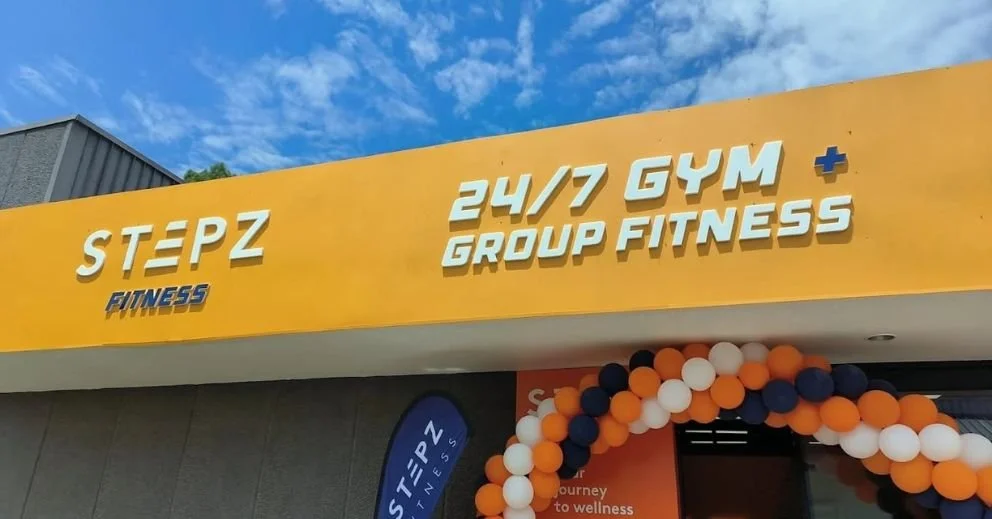
What makes a 24/7 club work safely and reliably?
Operating around the clock requires more than leaving the doors open. The after-hours experience depends on reliable systems, clear member rules and prompt escalation when something goes wrong.
Secure key-fob or app-based entry linked to an active membership
CCTV, alarms and appropriate monitoring arrangements
Emergency contact or call-point procedures
Member induction and clear after-hours conditions of entry
Automated lighting and energy controls where suitable
Cleaning, equipment checks and maintenance routines
A documented response process for access, safety and facility incidents
How the hybrid model works commercially
Gym revenue is commonly built around recurring memberships. A hybrid offer can broaden its appeal by serving people who want independent access and people who value coached sessions. That can support acquisition and retention, provided the experience is consistent and the pricing matches the local market.
Potential advantages for an owner
This model combines recurring membership revenue that can be tracked and forecast with a broader member proposition than access-only or class-only formats.
Staffed hours can focus on sales, service, coaching and community rather than overnight supervision, while technology can reduce repetitive administration and improve reporting. The repeatable club format may also support future multi-site ownership.
Costs and variables still matter
No format guarantees profit. Rent, loan repayments, wages, royalties, utilities, cleaning, marketing, equipment servicing and member churn all affect the result. A smaller footprint or leaner staffing structure can help control costs, but those savings should be tested against the needs of the site and membership base.
The startup cost for a Stepz Fitness franchise is from $350,000. The final investment depends on factors such as the premises, lease, approvals, fit-out, equipment and working capital. Prospective owners should obtain a current written breakdown and have the assumptions reviewed independently.
From pre-opening to break-even
Break-even is the point at which the club's recurring revenue covers its operating costs and financial commitments. There is no responsible one-size-fits-all timetable. The result varies with rent, pricing, membership growth, retention, staffing, debt and the local market.
Before opening
Complete lease, design, approvals, fit-out and equipment installation
Set up access control, memberships, billing, reporting and communications
Recruit and train the manager, coaches and other required team members
Run a pre-sale campaign and build a founding-member pipeline
Establish local partnerships and a launch marketing calendar
Test safety, cleaning, maintenance and escalation procedures
The numbers to monitor
| Measure |
What it tells you |
Useful question |
|---|---|---|
| Leads and tours | Demand and sales activity | Which sources produce qualified prospects? |
| Join rate | How well enquiries convert | Where are prospects dropping out? |
| Active members | The recurring revenue base | Is growth keeping pace with the plan? |
| Average revenue | Revenue earned per member | Does the membership mix support the forecast? |
| Cancellations | Member churn and lost revenue | Why are members leaving, and when? |
| Attendance | Engagement and retention risk | Which members need a check-in? |
| Operating costs | Cash required each month | Are wages, rent and other costs on budget? |
Membership growth attracts attention, but retention has an equally important effect on the path to break-even. A club that keeps existing members engaged does not need to replace as many cancellations before it can grow. Useful retention work includes a strong welcome, attendance follow-up, staff contact, equipment reliability, clean facilities and relevant group training.
Can a hybrid gym be managed remotely?
Many operating tasks can be monitored or completed away from the club. Online sign-up, recurring direct debit, access control, web-based membership tools and reporting can reduce the need for the owner to be physically present for every transaction.
Remote management works only when the in-club responsibilities are clearly covered. A capable manager or team still needs to maintain standards, support members, coordinate coaches, follow up leads and respond to practical issues. The owner needs a reporting rhythm and clear triggers for intervention.
A practical remote-management rhythm
Daily: review urgent incidents, access issues, leads and service problems
Weekly: meet the manager and review joins, cancellations, attendance, staffing and local marketing
Monthly: assess profit and loss, cash flow, membership trends, maintenance and team performance
Quarterly: review the local market, pricing, staffing structure, major costs and growth priorities
Stepz Fitness also uses system-led tools such as online sign-up and centrally programmed group workouts. These can improve consistency and reduce administrative or programming work, while the club team remains responsible for delivery and the member experience.
What does semi-absentee ownership mean?
A semi-absentee owner is not in the club full time but remains actively involved in oversight and major decisions. The daily operation is delegated to a manager or team, while the owner reviews performance, supports staff, controls finances and sets priorities.
Possible benefits
More flexibility than being the full-time club manager
Time to focus on finance, local growth and higher-level decisions
A management structure that may support more than one location over time
The ability to retain other professional or business commitments, if the workload and economics allow
Easy to scale once systems are set up (e.g. access control, CRM, security), the hybrid model is easy to duplicate in new locations, making it ideal for multi-site ownership.
Trade-offs and risks
The business becomes more dependent on recruiting and retaining a strong manager
Owner visibility is lower, so reporting and communication gaps can hide problems
Management wages must be supported by the club's financial model
Service quality can drift if responsibilities and standards are unclear
The owner still needs to review results, coach the team and respond when performance changes
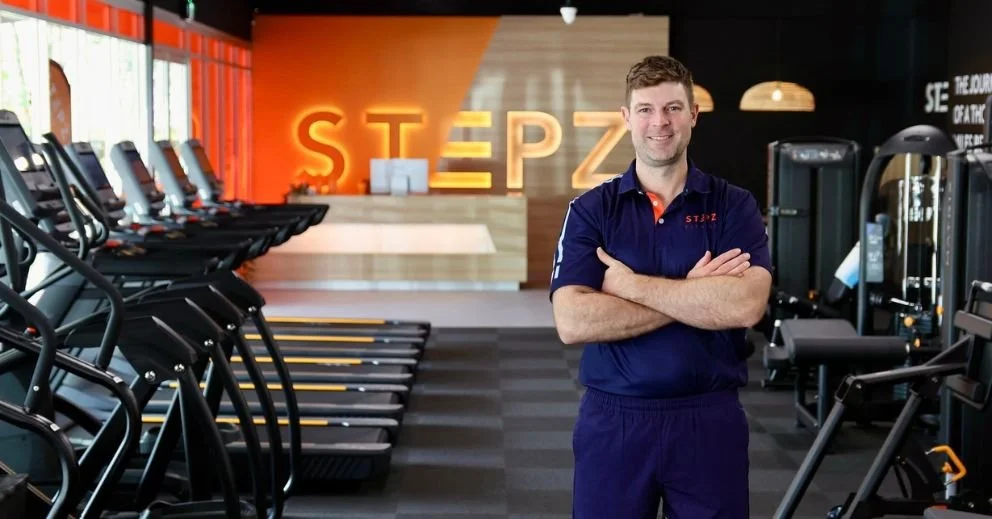
Which ownership approach suits you?
Owner-operator
You work in the club regularly and lead many daily activities. This gives close control and member contact but creates a larger personal time commitment.
Manager-led
A manager runs daily operations while you remain closely involved in performance, finance and decisions. This requires clear accountabilities and a budget that supports the role.
Semi-absentee
You spend less time on site and manage through people, systems and reporting. It suits owners who can lead remotely and intervene when required.
The appropriate structure may change over time. A new owner may choose to be highly visible during pre-sales and the early trading period, then delegate more once the team, membership base and operating routines are established.
How to assess a hybrid gym franchise
Look past the phrase ‘hybrid model’ and test how the system works in practice. Ask for evidence, speak with current franchisees and compare the answers with the disclosure document, franchise agreement and your independent financial model.
What exactly is included in the member offer at every club, and what is optional?
How are group workouts programmed, delivered and quality-checked?
Which systems manage access, billing, leads, member communication and reporting?
What staffed hours and team structure are assumed in the financial model?
What safety arrangements apply during unstaffed hours?
What site size, visibility, parking and local demographics suit the model?
What is included in the startup cost, and what costs sit outside it?
What local marketing and pre-sale activity is expected from the owner?
Which measures are reviewed with the franchisor after opening?
What support is available if the manager leaves or the club falls behind plan?
Why consider the Stepz Fitness hybrid model?
Stepz Fitness combines 24/7 access with functional group training in a community-based format. The operating system has been refined over 27 builds, creating a more consistent framework for site development, launch and ongoing club management.
Stepz Fitness network snapshot
27 gyms and 17,000 members
Clubs operating across New South Wales, Queensland, the ACT and South Australia
Seven new clubs opened in the last 12 months
Revenue increased 31% year on year
Memberships increased 38.9% year on year
Startup cost from $350,000
Sam Waller ranked number 11 in Australia's Top 30 Franchise Executives 2026 and was named a 2026 Franchisor of the Year Finalist. These recognitions provide useful context about the leadership behind the network, alongside the formal due diligence every prospective franchisee should complete.
FAQ
What is the difference between a hybrid gym and a 24/7 gym?
A 24/7 gym describes when members can access the facility. A hybrid gym describes a broader service model that combines round-the-clock independent training with coached or structured options such as functional group training.
Does a hybrid gym need staff on site 24 hours a day?
Usually no. Secure access and monitoring systems support unstaffed periods. Staff are still needed for sales, coaching, member support, cleaning oversight, maintenance and club management.
Can a Stepz Fitness franchise be run remotely?
Some administrative and monitoring tasks can be completed remotely, but daily in-club responsibilities still need capable people. The owner remains responsible for performance and should maintain regular reporting and contact with the team.
Is semi-absentee ownership passive?
No. It reduces the owner's day-to-day presence, not their accountability. The owner still reviews finances and operating measures, supports the manager, makes decisions and steps in when required.
How much does a Stepz Fitness franchise cost?
The startup cost is from $350,000. The final investment varies with the site, lease, approvals, fit-out, equipment and working-capital needs. Obtain a current written breakdown before making commitments.
How long does a hybrid gym take to break even?
There is no reliable standard period. Break-even depends on the site's costs, membership pricing, pre-sales, join rate, retention, staffing and finance. Build a location-specific forecast and test slower-growth scenarios with an independent adviser.
Do I need to be a personal trainer?
Not necessarily. Business leadership, sales, member service and people management are central to the owner's role. The required coaching and fitness expertise must still be present in the club team.
Is the hybrid model right for you?
A hybrid gym franchise may suit you if you value a flexible member offer, recurring revenue and an operating system designed around technology and a lean team. You should also be comfortable leading people, reviewing numbers, building a local presence and following established standards.
Before deciding, test the proposed site and ownership structure against your capital, available time and management ability. The systems can make the business more manageable, but the commercial outcome still depends on the location, team, member experience and owner execution.
If you're ready to own a gym that offers flexibility, support, and scalable success, Stepz Fitness Franchise could be the right franchise for you. With the hybrid model at its core, Stepz provides a smart path to business ownership in a growing industry. Enquire today and get your free franchise information pack.