Benefits of Capped Membership Systems
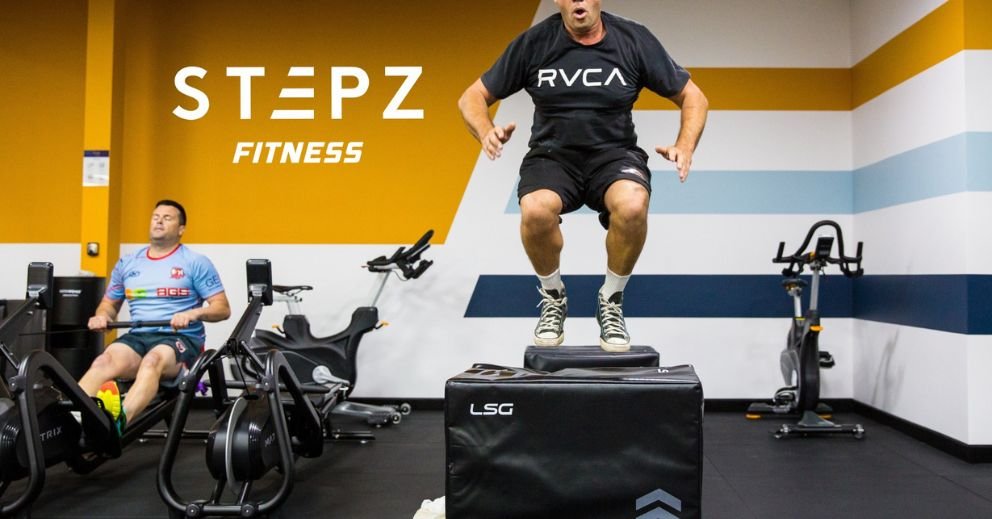
A capped membership gym limits the number of active memberships available at a club. For members, that can mean better access to equipment, less crowding and a more personal atmosphere. For a prospective franchise buyer, the more important question is how the cap fits the business model.
When the site, equipment mix, pricing, staffing and membership limit are planned together, a capped model can support a compact local gym with a clear capacity target. It may reduce the pressure to secure and fit out an oversized premises, while giving the operator a specific experience to protect. However, a cap does not guarantee retention or profit. The proposed club still needs enough revenue and contribution margin to cover rent, wages, franchise fees, finance, marketing, utilities and other costs.
What Is a Capped Membership System?
A capped membership system sets a maximum number of active memberships for a particular club. When the club approaches that limit, the operator may pause general sales, use a waitlist or release places as memberships end. The cap should be based on the facility's usable training space, equipment, class capacity, expected attendance patterns, staffing and commercial plan.
The number of memberships is not the same as the number of people in the gym at one time. Members train on different days and at different hours, so an operator also needs to monitor visits, peak-period demand, equipment utilisation and class bookings. A sensible cap is therefore a planning tool supported by live operating data, not an arbitrary number chosen for marketing.
Why the Model Can Appeal to a Franchise Buyer
1. It Can Support a Smaller-Site Strategy
Large-format gyms can require significant floor space, extensive equipment and a high membership volume. A capped model can support a more compact footprint because the facility is designed for a defined local membership base rather than unlimited sign-ups.
A smaller site may reduce the absolute exposure to rent, fit-out, equipment, cleaning and utilities compared with a much larger premises. That does not make every small site economical: rent per square metre, visibility, parking, access, lease incentives, building works and local demand can outweigh the benefit. Buyers should compare the total occupancy and establishment cost, not floor area alone.
2. It Creates a Clearer Capacity and Revenue Test
A proposed cap gives the buyer a visible ceiling against which to test the model. Instead of assuming the club can keep adding memberships indefinitely, you can ask whether the economics work at conservative, target and near-cap membership levels.
A simple starting calculation is: proposed active membership cap × average weekly membership revenue × 52. This estimates the theoretical annual membership-revenue ceiling before GST, vacancies, cancellations, discounts, failed payments and operating costs. Add only well-supported ancillary revenue, then test the result against every fixed and variable cost. The cap itself is not a forecast, and a new club may take time to approach it.
3. The Member Promise Is Easier to Explain
A smaller, capped club has a straightforward proposition: convenient training without the experience of an overcrowded facility. That promise can help distinguish the club from access-only gyms competing mainly on size or price, provided the operator consistently delivers adequate equipment access, cleanliness, service and a welcoming environment.
4. It Can Make Operations More Predictable
Knowing the intended membership range can help with equipment planning, class schedules, staff coverage, cleaning and maintenance. Attendance data can show where extra sessions, roster changes or equipment adjustments are needed. Predictability improves planning, but it does not remove seasonal demand, peak-hour pressure or the need for active management.
5. It Supports a Community-Led Retention Strategy
Staff in a smaller local club have a better opportunity to know members, understand their goals and notice when attendance changes. Familiarity can support accountability and belonging, while group training, challenges and member recognition give people reasons to participate beyond basic equipment access.
Community matters commercially when it contributes to longer membership duration, re-engagement and referrals. It should be measured through retention, cancellations, visit frequency, class participation, referrals, reviews and member feedback rather than treated as a vague brand value.
Capped Memberships and Unit Economics
The core question for a buyer is whether the club can produce enough contribution at or below its membership limit. Stronger economics can come from the relationship between the site's cost base and the revenue the model is capable of producing, not from the cap alone. This also taps into the psychology of scarcity.
Start With the Full Cost Base
Include rent and outgoings, wages, superannuation, royalties, marketing contributions, local marketing, software, payment processing, equipment leases or finance, repairs, cleaning, insurance, utilities, accounting and debt repayments. Allow for working capital, future replacements and unexpected costs rather than modelling only the obvious monthly bills.
Test Revenue Per Member, Not Just the Headcount
Two clubs with the same membership number can produce different revenue. Pricing tiers, concessions, discounts, group training, personal training and other services affect average revenue per member. Buyers should verify which income streams are included in any figures supplied and whether the proposed staffing and timetable can deliver them.
Calculate the Break-Even Membership Requirement
Divide monthly fixed costs by the average monthly contribution from each active member after member-related variable costs. This gives a planning estimate of the active memberships needed to cover fixed costs. Compare that result with the proposed cap. If break-even requires the club to operate very close to its limit, there may be little room for slower growth, cancellations or cost increases.
Model Occupancy Below the Cap
A prudent forecast should include lower membership scenarios, especially during launch and seasonal periods. Test the effect of a delayed opening, slower sales, higher cancellations, pricing pressure and higher rent or wages. A model that works only at 100% of the proposed cap deserves closer scrutiny.
How Pricing Fits a Capped Model
The merged source articles discuss low membership fees as a way to attract more people. For a capped gym, the stronger principle is value-led pricing. The fee needs to feel accessible and competitive in the local market while still supporting the service level, site and staffing promised.
Reducing price can lower the barrier to joining, but it also lowers the revenue ceiling if the cap stays fixed. Before discounting, calculate how many additional active members are required to replace the lost revenue, whether the club has room beneath its cap and whether those members are likely to remain after the promotion ends.
Clear inclusions, convenient access, quality equipment, a clean environment, group training and personal service can strengthen perceived value without positioning the gym as the cheapest option. The right price should be tested against local competitors, member demand and the club's cost structure.
How Community Becomes a Business System
A community-led club still needs repeatable actions. Prospective owners should ask what the operating system requires, what tools are provided and what remains the local operator's responsibility.
Structured onboarding that introduces the club, equipment, timetable and available support
Staff who greet members, learn names and follow up when attendance or engagement changes
Group training, challenges and events that suit the local membership rather than filling the calendar for its own sake
Recognition of member milestones without making the environment intimidating or overly competitive
Simple ways to collect feedback and respond to recurring service issues
Member-management data used to monitor attendance, cancellations, failed payments and re-engagement opportunities
Local content and communication that keeps members informed and gives the club a recognisable community presence
Technology can reduce repetitive administration and make patterns easier to see, but it should support the member relationship rather than replace it. Automated reminders are more useful when staff also understand why members disengage and have a clear process for responding.
The Trade-Offs a Buyer Should Understand
Revenue Has a Deliberate Ceiling
Once the club reaches its cap, the operator cannot rely on unlimited membership growth at that site. Future growth may need to come from retention, appropriate pricing, additional services, operating efficiencies or, where suitable and separately assessed, another location. Each option has costs and operational limits.
The Cap Must Match Real Usage
A cap that is too high may fail to protect the member experience. A cap that is too low may leave revenue capacity unused. Review peak-hour traffic, class demand, equipment queues, complaints and satisfaction regularly. Ask who can change the cap, what approval is needed and how changes are communicated.
Community Requires Consistent Owner and Team Input
A smaller club does not create a community automatically. Recruitment, training, follow-up and local presence still matter. Buyers who want a passive investment should clarify the actual owner role, manager requirements and expected weekly oversight before proceeding.
A Cap Does Not Remove Churn
Members still cancel because of relocation, finances, injury, changing schedules, service issues or lost motivation. A waitlist can help replace vacancies once demand is established, but it should not be assumed in a new-club forecast. Retention and pipeline activity remain essential.
The Stepz Fitness Model
Stepz Fitness combines 24/7 access, group training and a community-focused club environment. Its capped-membership approach is intended to support comfortable training, personal service and a compact local-club format. The operating model has been refined over 27 builds.
A new Stepz Fitness franchise starts from $350,000, with the final investment depending on the site and project requirements. The network currently includes 27 gyms and 17,000 members across NSW, QLD, the ACT and SA.
Stepz has recorded 31% year-on-year revenue growth and 38.9% year-on-year membership growth, with seven new clubs added in the last 12 months. Sam Waller was ranked #11 in Australia's Top 30 Franchise Executives 2026 and was a 2026 Franchisor of the Year Finalist.
These figures provide context for assessing the franchise system, but they are not a forecast for an individual club. Prospective buyers should confirm the proposed site's membership cap, pricing, costs, territory and financial assumptions in the current franchise information and their own due diligence. Explore Franchising with Stepz Fitness by getting our free info pack.
FAQ
Does a membership cap mean turning away customers?
When a club reaches its active membership limit, new enquiries may need to join a waitlist until a place becomes available. The process should be clear and fairly managed. Before the cap is reached, the priority is still building and retaining the planned membership base.
Can a capped gym be profitable with fewer members?
It can be commercially viable if its membership and other revenue support the full cost base at a sensible occupancy level. Profitability depends on pricing, retention, rent, staffing, finance, fees and operating discipline. A cap by itself does not establish viability.
How should the right membership cap be set?
The cap should reflect usable space, equipment, classes, expected visit patterns, peak-hour demand, staffing, member experience and the site's financial model. It should be reviewed against real operating data rather than copied from another location without adjustment.
Do lower membership fees work with a capped model?
They can, but every price reduction lowers potential revenue per member. The buyer should confirm that the price, attainable membership level and ancillary income can cover the club's costs without weakening the service members expect.
Does a smaller gym require less work from the owner?
Not necessarily. A compact site may be simpler in some respects, but sales, member service, staff management, local marketing, safety, maintenance and financial oversight still require attention. Clarify the intended owner role and staffing model during due diligence.
Is a capped model the same as a boutique studio?
No. Boutique studios often centre on instructor-led sessions or a particular training method. A capped gym can still offer broad 24/7 access and group training. The defining feature is the planned limit on active memberships relative to the site's capacity.
Assess the Cap as Part of the Whole Business
A capped membership system can be a meaningful franchise selling point when it connects four things: a right-sized site, a defendable member proposition, an attainable revenue plan and an operating system that supports retention. Buyers should test all four rather than viewing the cap as proof of exclusivity or profitability.
If you are considering Stepz Fitness Franchise, request the current franchise information and a site-specific discussion. Compare the proposed membership limit with the complete investment, local demand, lease, staffing plan and conservative cash-flow forecast before committing.