Best Low-Cost Gym Franchises in Australia: A Guide to Affordable Fitness Business Opportunities
The most affordable gym franchise is not necessarily the one with the smallest franchise fee. A buyer needs to consider the complete startup budget, the cost of running the club, the number of memberships required to cover those costs and the support included in the franchise system.
This guide explains how to compare lower-cost gym franchise opportunities in Australia without relying on outdated price tables or marketing labels. It also looks at the local market factors that affect demand, from suburban convenience and 24/7 access to community, competition and Australia's geographic differences.
What Does ‘Low Cost’ Mean for a Gym Franchise?
A gym is a premises-based business with significant setup requirements. Even a compact club may need a lease deposit or bank guarantee, design and approvals, fit-out, equipment, access control, signage, technology, pre-opening marketing and working capital. For that reason, ‘low cost’ is relative to the format and inclusions rather than a promise that the business is inexpensive to open.
An affordable model should use capital efficiently while still giving members a credible reason to join and stay. Cutting essential equipment, reducing working capital or choosing an unsuitable site can lower the initial quote but increase operating pressure later.
When comparing opportunities, separate three numbers:
The initial franchise and project investment required to open
The ongoing fixed and variable costs required to operate
The reserve needed to support the business while memberships build
Why Some Gym Models Cost Less to Establish
The business format has a major effect on capital needs. A smaller, efficiently planned club may require less rent and fit-out than a large full-service facility. A focused equipment schedule can also use space and capital more efficiently than a venue with pools, courts or extensive wet areas.
Common cost drivers include:
Premises size, rent, outgoings, lease security and the length of the fit-out period
The condition of the tenancy and any electrical, ventilation, plumbing, acoustic or structural upgrades
The amount, specification, purchase method and replacement cycle of equipment
Staffing requirements during opening, staffed hours and peak service periods
Group training areas, bathrooms, showers, recovery services and other facilities
Access control, member management, booking, reporting and marketing technology
Professional advice, permits, insurance, pre-sales activity and opening promotion
A lower upfront figure can also come with higher ongoing payments, equipment leases or supplier commitments. Compare the full term of the agreement rather than deciding from the entry price alone.
What Makes the Australian Gym Market Different?
Australia has strong participation in physical activity, but demand is local. Australian Sports Commission data for 2025 reported that 85% of adults were active and 48% exercised at least three times a week. That broad interest creates opportunity, although it does not guarantee demand for a particular gym, suburb or membership offer.
Suburban Convenience Matters
Many Australians want training options near home, work, school routes or regular shopping. Suburban and outer-metro locations can therefore be attractive when they offer straightforward access, parking and a catchment large enough to support the club. A CBD, regional centre and growth corridor should each be assessed on their own travel patterns and member profile.
24/7 and Hybrid Models Fit Varied Schedules
Early starts, shift work, commuting and family commitments make flexible access valuable. A 24/7 model can extend the hours in which the asset generates value without requiring overnight staffing, subject to the site's approvals and security systems. Hybrid clubs add coached group training or personal training to equipment access, giving buyers more than one way to serve members.
Community Can Support Retention
Large anonymous facilities suit some members, while others prefer a smaller club where staff understand their goals and members recognise each other. A community-focused model can support engagement, but the owner still needs consistent service, coaching, communication and local marketing. Community is an operating practice, not a feature created by the logo alone.
Geography Changes the Commercial Model
Rent, competition, staffing, population density and travel behaviour differ between metropolitan, suburban and regional areas. Outdoor activity and seasonal habits may also affect gym use. A franchise system should have a method for testing the local catchment instead of applying one national forecast to every territory.
Gym Franchise Formats Buyers Commonly Compare
Buyers often research Stepz Fitness alongside 24/7 access brands such as Plus Fitness, Jetts, Snap Fitness and Anytime Fitness, as well as class-led concepts such as F45. These businesses do not offer identical products, site requirements or fee structures, so placing them in a single price ranking can be misleading.
A better comparison starts with the operating model:
Compact 24/7 access gym: equipment-led convenience with controlled staffed hours
Hybrid gym: 24/7 access combined with coached group training and personal training opportunities
Class-led studio: scheduled coached sessions with a higher dependence on timetable capacity and instructor delivery
Large full-service club: broader facilities and amenities with a larger property, fit-out and staffing requirement
Request the current information pack and disclosure material from each brand. Check the proposed territory and site criteria, then compare figures on the same basis. Published competitor prices can change and may exclude different components, making an apparently precise table less useful than a site-specific total budget.
The Real Cost Breakdown
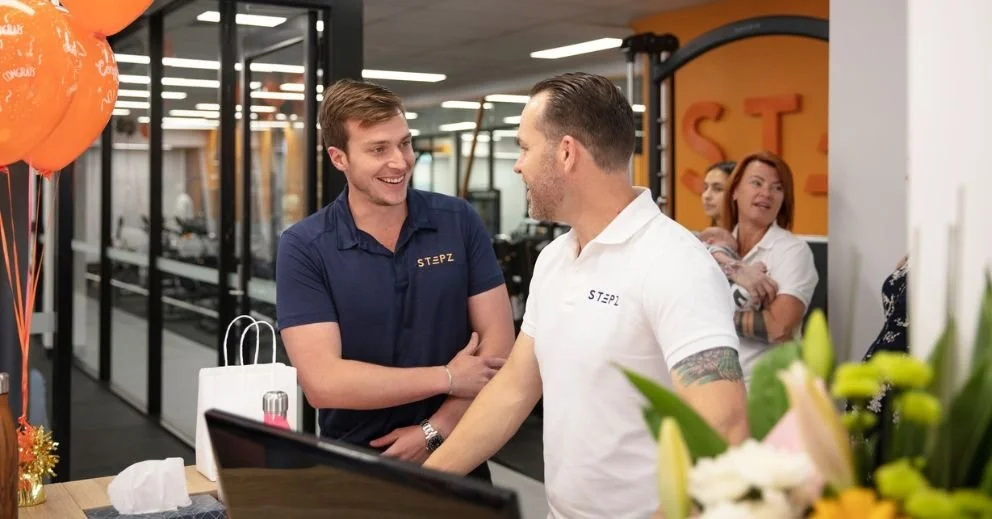
For Stepz Fitness, the verified startup investment begins from $350,000. The final amount depends on the selected site and project requirements. Prospective buyers should request a detailed budget showing what is included, what is estimated and what must be paid separately.
A complete startup budget may include:
Franchise entry, training and initial support costs
Lease security, rent before opening and property-related professional fees
Design, approvals, consultants, fit-out and building services
Gym equipment, flooring, delivery, installation and finance costs
Access control, security, software, hardware and data setup
Signage, launch marketing, local pre-sales and opening activity
Business setup, legal, accounting, insurance and employment costs
Working capital and a contingency for delays or cost changes
BUDGET RULE
Use the $350,000 starting investment as an entry point for discussion, not a universal project quote. The proposed premises, lease, approvals, fit-out and finance structure need to be priced before the total investment is known.
Ongoing Costs Matter as Much as Startup Cost
Opening a gym from scratch can be expensive and risky. A low-cost fitness franchise in Australia offers a more accessible entry point into the growing industry of arts and recreation services sector, backed by proven fitness club franchise opportunities and a working business model.
Build a monthly model covering rent and outgoings, wages, utilities, cleaning, equipment payments, repairs, insurance, merchant fees, technology, local marketing and every franchise-system charge.
Franchise charges may include royalties, marketing contributions, software, support, training, renewal or transfer fees. They may be fixed, percentage-based or a combination. Ask when each amount can change and whether GST is included.
The ACCC advises prospective franchisees to understand total setup and running costs, review the disclosure document and obtain independent professional advice. Confirm important answers in writing and test the numbers with a franchise-experienced accountant.
Compare Unit Economics, Not Just Price
The most useful affordability test is whether the club can cover its cost base under realistic membership assumptions. Start with average revenue per member, then subtract the costs that rise directly with each membership to estimate contribution per member.
PLANNING FORMULA
Indicative break-even memberships = monthly fixed costs ÷ average monthly contribution per membership
This is a planning tool rather than a performance promise. Test a base forecast and a conservative forecast with a slower opening ramp, fewer leads, lower conversion, higher cancellations, staffing changes, rent increases and unexpected maintenance. Check how much working capital is required in each case.
Also review capacity. A model with capped memberships should show how the cap, membership price, service level and cost base work together. A lower member target can be attractive only when it still supports the club's obligations and the owner's income goals.
What Support Should Be Included?
Franchise support can reduce the amount an owner has to design from scratch, but the word ‘support’ needs detail. Ask who provides each service, when it is provided, what it costs and what remains the buyer's responsibility.
Useful areas to examine include:
Territory analysis, site criteria, lease input, design and project coordination
Initial training in operations, sales, member service, systems and compliance
Pre-opening marketing, lead management, presales and launch planning
Brand assets, campaign materials, website and local marketing tools
Member management, access, booking, reporting and financial systems
Recruitment guidance, operating reviews, business coaching and ongoing training
Equipment, technology and other approved supplier arrangements
Compare the promised support with the franchise agreement and disclosure document. A helpful sales conversation is not a substitute for a clearly documented obligation.
How to Shortlist an Affordable Gym Franchise
Use the same process for every system so the comparison remains fair.
Step 1: Set your capital limit
Separate the cash available for startup, working capital and personal reserves. Leave room for site variation and contingency.
Step 2: Choose the format
Decide whether you prefer a 24/7 access, hybrid, class-led or larger full-service operation, and consider the owner's expected role.
Step 3: Compare territories
Assess population, growth, income, competition, travel patterns, parking and the local demand for the proposed offer.
Step 4: Obtain current documents
Request the information pack, disclosure document, proposed agreement, fee schedule and any site-specific project budget.
Step 5: Build comparable forecasts
Use the same assumptions and cost categories for each brand. Include all ongoing fees, finance and working capital.
Step 6: Verify the support
Ask current and eligible former franchisees about training, opening, workload, technology, fees and the support they actually use.
Step 7: Get independent advice
Have a franchise lawyer and accountant review the documents, assumptions, risks and personal exposure before signing.
The Stepz Fitness Opportunity
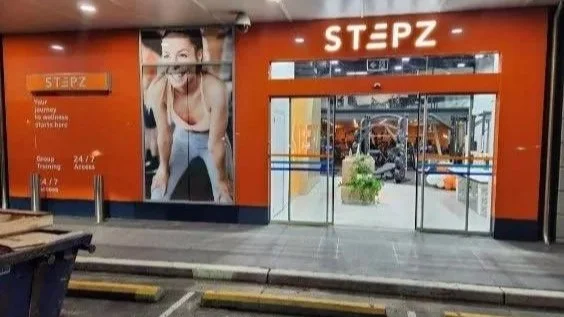
Stepz Fitness operates a hybrid model combining 24/7 gym access with group training and personal training opportunities. Compact club planning, controlled staffed hours, technology and a capped membership approach are intended to create a manageable operating format while maintaining a community-focused member experience.
The network currently includes 27 gyms and 17,000 members across NSW, QLD, the ACT and SA. Its development and operating process has been refined over 27 builds.
Stepz has recorded 31% year-on-year revenue growth and 38.9% year-on-year membership growth, with seven new clubs added in the last 12 months. Sam Waller was ranked #11 in Australia's Top 30 Franchise Executives 2026 and was a 2026 Franchisor of the Year Finalist.
These figures provide context about the current network, but they do not forecast the performance of a new club. A buyer should assess the specific territory, premises, project budget, agreement, funding and conservative cash-flow forecast before making a decision.
Is a Lower-Cost Gym Franchise Right for You?
A compact franchise format may suit a buyer who wants an established system, is comfortable following brand requirements and is prepared to take an active role in sales, service, team leadership and local community-building. It may be less suitable for someone expecting passive income or complete freedom to change the business model.
The owner does not necessarily need to be a fitness professional, but the club still needs appropriately qualified people for services that require them. Business capability, financial discipline, people skills and willingness to follow the system are central to the decision.
Questions to Ask Before You Invest
What is included in the quoted startup investment, and which items are estimates?
How could the site, lease, approvals or fit-out push the total above the starting figure?
What are every fixed, percentage-based and transaction-based ongoing fee?
What equipment replacements or refurbishments may be required during the term?
What owner involvement and staffing level does the operating model assume?
How is the territory defined, and how was local demand assessed?
What support is delivered before opening and after the initial launch period?
What assumptions sit behind any revenue, membership or break-even information?
How much working capital is recommended for a conservative opening case?
What happens when the franchise agreement or lease ends, renews or is transferred?
FAQ
What is the cheapest gym franchise in Australia?
There is no reliable permanent ranking because franchise pricing, inclusions, sites and fit-outs change. A lower advertised fee may exclude major costs. Compare current disclosure documents and site-specific total budgets rather than relying on an online list.
How much does a Stepz Fitness franchise cost?
A new Stepz Fitness franchise starts from $350,000. The final investment depends on the site and project requirements. Ask for a complete budget covering fit-out, equipment, lease costs, professional fees, pre-opening activity, working capital and contingency.
Does a low-cost franchise carry less risk?
Not automatically. A smaller investment can reduce the capital exposed, but demand, lease obligations, debt, ongoing fees, working capital and execution still matter. Review the documents and forecast with independent advisers.
Which gym franchise model has the lowest operating costs?
Operating cost depends on the site, format and service level. Compact 24/7 or hybrid models may use less space and fewer staffed hours than large full-service clubs, while class-led concepts may require more coaching delivery. Compare the actual cost base and membership capacity of each proposal.
Can I finance the startup investment?
Finance may be available depending on the applicant, lender, security, business plan and project. Funding does not replace the need for sufficient equity, working capital and contingency. Obtain advice before committing to the franchise or lease.
Choose on Value, Not the Smallest Number
Owning a gym franchise is a rewarding way to combine your passion for fitness with business ownership. If you’re ready to take the next step, Stepz Fitness Franchise gives you a clear opportunity pathway to becoming a successful gym owner.
With low start-up costs, proven systems, and dedicated support, Stepz Fitness Franchise makes it easy to open your very own gym and join a community focused on helping people live healthier, happier lives through structured fitness training programs and accessible 24/7 gym access.
Contact us today to find out how you can start your fitness business journey with Stepz Fitness Franchise
Get key takeaways with ChatGPT