Trend Report: How the Fitness Industry Is Growing in Australia
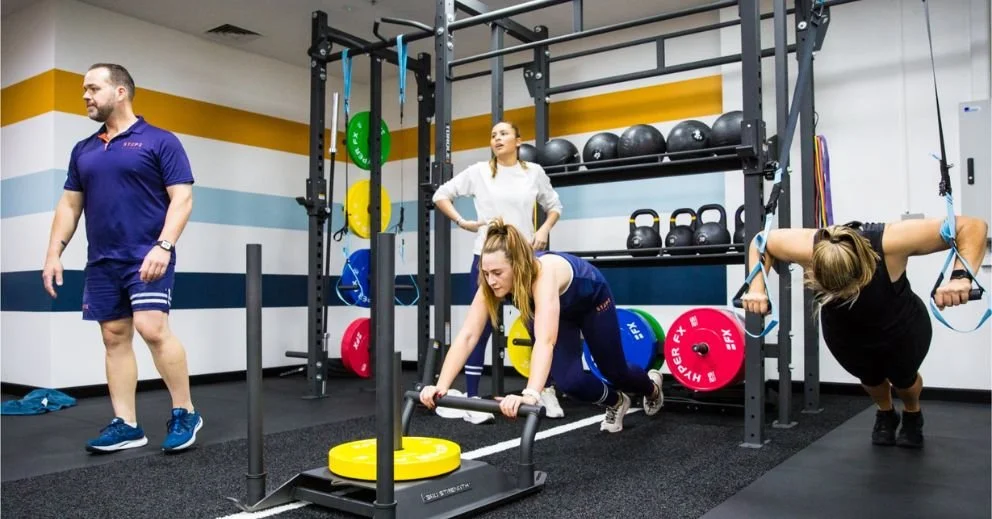
The Australian fitness industry has changed dramatically over the past decade. What used to revolve around big-box gyms and basic memberships has evolved into a more flexible, community-driven and tech-supported landscape.
From 24/7 access to functional training and boutique-style experiences, today’s members expect more than just treadmills and weight machines. For investors and future gym owners, that shift creates real opportunity.
Summary: The fitness industry in Australia continues to grow, driven by increasing health awareness, demand for 24/7 access, functional group training and community-focused gym models. Members are prioritising convenience, flexibility and results, while operators are embracing hybrid memberships and smarter technology. This trend report explores where the market is heading and why franchise-backed, modern gym concepts like Stepz are well-positioned to thrive.
Read this Blog Summary in ChatGPT
1. 24/7 access is now expected, not a bonus
One of the most significant shifts in Australian fitness is the expectation of round-the-clock access.
Busy work schedules, shift work, parenting responsibilities and flexible lifestyles mean people want to train on their terms. Gyms that offer 24/7 access have become the standard rather than the exception.
For operators, this model allows:
Greater member flexibility
Increased facility usage without constant staffing
Broader appeal across demographics
The traditional 9 to 5 fitness model is largely outdated.
2. Functional training continues to dominate
The rise of functional fitness is another clear trend shaping the industry.
Members are moving away from isolated machine-based workouts and towards:
Strength training
Small group sessions
Coaching-led programs
People want training that improves real-life strength and performance, not just aesthetics. Functional training spaces, open floor layouts and structured group programs are increasingly central to modern gym design.
This shift also aligns with higher retention rates, as members feel supported and coached rather than left to train alone.
3. Smaller, community-driven gyms are thriving
Large, impersonal fitness centres still exist, but many Australians are gravitating towards gyms that feel more welcoming and community-oriented.
Members want:
Personalised support
Familiar faces
A sense of belonging
Accountability
Community-focused gyms often outperform larger competitors in retention because members feel connected.
This creates strong opportunity for operators who prioritise culture alongside equipment and facilities.
4. Hybrid membership models are growing
The fitness industry is also becoming more flexible in how memberships are structured.
Rather than a simple “access only” model, many gyms now combine:
24/7 facility access
Group training sessions
Coaching support
Fitness challenges
Personal training options
This hybrid approach increases value perception and allows gyms to diversify revenue streams.
For business owners, it means not relying solely on base memberships.
5. Technology integration is shaping operations
Technology plays a growing role in both member experience and back-end operations.
Members expect:
Seamless sign-up processes
App-based access control
Digital workout tracking
Online booking systems
On the business side, operators rely on:
Automated billing systems
Member management software
Marketing automation
Performance reporting tools
Gyms that integrate technology efficiently can operate leaner and scale more effectively.
6. Health awareness continues to rise
Australians are increasingly aware of the long-term benefits of strength training and regular exercise.
There’s growing recognition that fitness supports:
Mental health
Longevity
Injury prevention
Workplace performance
Healthy ageing
As preventative health becomes more mainstream, demand for accessible fitness options continues to increase.
This creates strong long-term growth potential for the industry.
7. Franchising is becoming a preferred pathway
With competition increasing, many new entrants are choosing franchise models rather than starting completely independently.
Why?
Proven systems reduce trial and error
Branding is professionally established
Marketing frameworks are built-in
Operational support reduces risk
Franchise models allow entrepreneurs to enter the growing fitness market with guidance rather than building everything from scratch.
Where Stepz fits into these trends
Stepz combines a beautiful 24/7 gym environment with group training, offering an accessible functional fitness alternative to traditional large fitness centres.
This positions the model well within current industry trends:
24/7 access meets modern lifestyle demands
Functional group training supports results and retention
Community focus enhances member loyalty
Professional branding provides credibility from day one
For prospective gym owners, it offers the ability to participate in a growing industry while leveraging proven systems and support.
What this means for future gym owners
The Australian fitness industry isn’t shrinking. It’s evolving.
The biggest opportunities lie in:
Community-focused environments
Functional training spaces
Hybrid membership models
Technology-driven operations
Scalable franchise systems
The key isn’t simply opening a gym. It’s opening the right type of gym for today’s market.
Back the fitness models built for what’s next.
If you’re exploring opportunities in the expanding Australian fitness industry, now is the time to look closely at models aligned with these trends
Learn more about Stepz Fitness Franchise and the best location to attract members and have competitive lease options.
Key takeaways
24/7 access is now a standard expectation.
Functional and strength-based training continues to grow.
Community-driven gyms are outperforming impersonal large facilities.
Hybrid membership models increase value and revenue potential.
Technology integration improves efficiency and member experience.
Franchise-backed models are gaining popularity for new gym owners.
FAQ
What’s driving fitness industry growth in Australia?
More health awareness, demand for convenience, and a shift toward strength and functional training. People want flexibility, results, and a better overall experience.
Why is 24/7 access now expected?
Members train around work, family, and shift schedules, so they want anytime access. It also helps gyms increase usage without heavy staffing.
What is functional training, and why is it popular?
It focuses on strength, movement, and performance, often with open spaces and coaching-led sessions. It tends to keep members more engaged than machine-only training.
Why are community-focused gyms doing so well?
People stay where they feel supported. Culture, accountability, and familiar faces improve consistency and retention.
Get key takeaways with ChatGPT