Australian Gym Franchises: What Makes the Market Unique
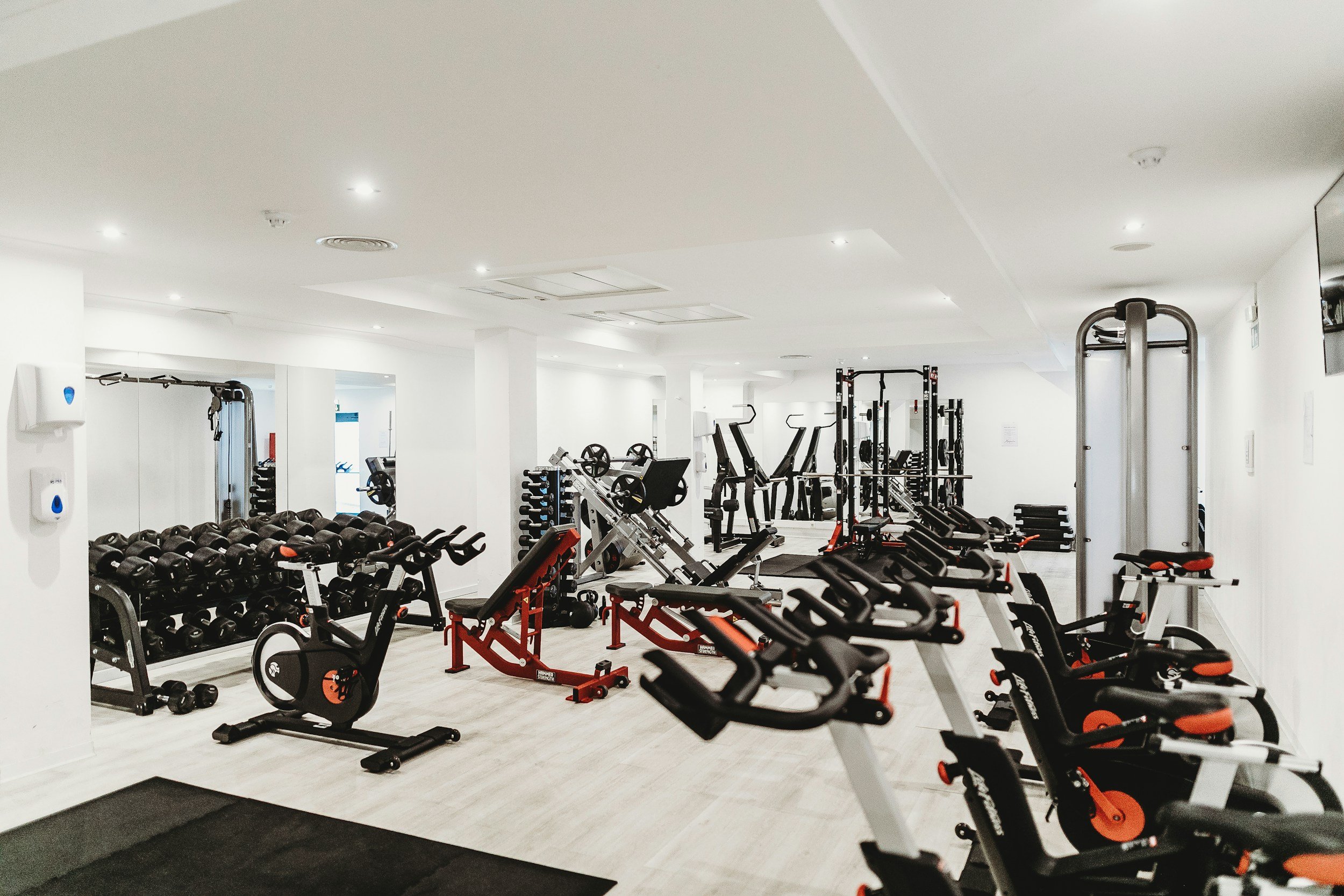
Australia’s fitness industry has grown significantly over the last decade, with branded gym networks helping shape the market.
If you’re exploring gym franchise opportunities in Australia, understanding what makes the market unique is key to making a smart investment.
Summary: Australia's gym franchise sector continues to grow due to rising health awareness, a love for outdoor activity, and strong demand for convenience and community. However, the market has its own quirks, like localised member preferences, geographic challenges, and the popularity of hybrid fitness models. For investors and operators, success means understanding these unique elements and finding a franchise model that meets both market expectations and long-term business goals.
The Rise of Fitness Culture in Australia
Australia consistently ranks among the world’s most health-conscious countries. With a high number of gym memberships per capita and a strong focus on wellness, it’s no surprise that established gym brands are thriving here.
Key drivers include:
Increased focus on preventative health and fitness
A cultural love of sports and outdoor activity
Growing awareness of mental wellbeing through exercise
Government health initiatives promoting active lifestyles
This widespread health culture means that gyms are no longer niche, they’re a part of everyday life for millions of Australians.
What Sets the Australian Gym Franchise Market Apart?
1. Suburban Demand Over CBD Dominance
Unlike some countries where city centres dominate the gym scene, Australian suburbs often drive demand. People want convenience close to home, particularly in family-friendly areas or commuter corridors. This shifts the focus from flashy city studios to accessible, well-equipped gyms in residential communities.
2. 24/7 Access and Hybrid Models Are Highly Valued
In a country where people juggle early starts, school runs, shift work, and long commutes, 24/7 gym access isn’t a luxury, it’s expected. Hybrid models that offer both equipment access and group classes tend to perform strongly, especially if they include:
Flexible memberships
High-quality equipment
Compact layouts that don’t overwhelm first-time gym-goers
Digital integrations like app access, class bookings, or video tutorials
3. Boutique Studios vs. Value-Focused Chains
Australia has a growing market for boutique fitness, such as Pilates, F45, and spin studios. But many members still prefer all-in-one options that offer broader value, particularly in regional or outer metro areas. Franchises that can blend affordability with quality equipment and community-driven culture tend to stand out.
Challenges Specific to the Australian Market
1. Geographic Spread
With Australia’s population spread across diverse regions, careful evaluation of local demographics is essential. A model that works in inner Brisbane may not suit regional NSW. Key considerations include:
Population density
Average income levels
Accessibility and parking
Local competition
2. Seasonality and Outdoor Alternatives
Australians love the outdoors, especially in warmer months. Gym usage can dip seasonally as people head to beaches, parks, or sports clubs. Successful franchises often focus on year-round engagement strategies, such as:
6-week challenges
Indoor-outdoor hybrid sessions
App-based programs to follow while travelling
3. Increasing Competition
With more players entering the space, from budget gyms to high-end studios, standing out is essential. Franchisees must look for systems that offer:
Strong brand recognition
Clear marketing support
Easy operational tools
A competitive point of difference
The Opportunity for Franchisees
While challenges exist, the outlook is bright. The Australian fitness industry is currently worth billions, and consumer interest shows no signs of slowing down. Franchisees who understand the market and choose the right business model are well-positioned to thrive.
What makes this model particularly attractive is the ability to tap into:
An established business system
A growing market
Recurring revenue through memberships
A chance to build a meaningful, community-focused business
Thinking of Owning a Gym Franchise in Australia?
If you’re ready to join the booming fitness movement, STEPZ Franchise can help you start your journey with confidence.
With a proven hybrid model, localised market insights, strong brand support, and modern gyms designed for Australian communities, STEPZ offers a smarter way to own your own gym.
Enquire today to see if a STEPZ Franchise is the right fit for your goals.
Key Takeaways
Australia’s gym franchise market is shaped by health culture, suburban demand, and 24/7 access expectations.
Hybrid gyms that combine equipment and classes are particularly successful.
Franchises must consider geographic diversity, seasonal trends, and competition.
Choosing the right system with strong support and local knowledge is critical for success.
FAQs
How much does it cost to open a gym franchise in Australia?
The investment can vary based on location, size, and franchise system, but expect to budget anywhere from $200,000 to $500,000 or more. Always request a full breakdown from the franchisor.
Is now a good time to buy a gym franchise in Australia?
Yes. With the industry still growing and more Australians prioritising health, the timing is strong—especially if you choose a proven brand that aligns with current consumer preferences.
What kind of support do franchisees receive?
Franchise systems like STEPZ provide location setup guidance, staff training, marketing tools, operational systems, and ongoing mentorship. This helps new owners avoid common mistakes and fast-track growth.